Service Design / Case Study 03
In my roles as Visitor Experience Manager at the RWA (Royal West of England Academy) and as Operations Manager at WTC (We The Curious science centre), I had an opportunity to lead reopening of both venues as they were welcoming visitors back following Covid-19 closures.
I prototyped and successfully implemented changes to service design, operational strategy and standard operating procedures.
Scroll down to explore the RWA case study.
Royal West of England Academy (RWA)

-
When the gallery was preparing to reopen in August 2020 after the first COVID-19 lockdown, I led the design of a new visitor service that balanced public safety with the organisation’s urgent need to restore income.
-
The challenge was unusually complex. There was no clear precedent for reopening cultural spaces, guidance was evolving, and we were operating with limited resources, reduced staff, and a volunteer base largely in high-risk categories.
At the same time, the gallery depended on ticket revenue to remain viable, so the solution had to be both safe and financially sustainable.
-
From there, I mapped the end-to-end visitor journey — from pre-visit booking through to arrival, time in the space, and exit. This helped identify key risk points and service gaps. Based on that, I designed a new service model built around timed entry and controlled capacity and prototyped the time slots for visitors, rota for the team and volunteers and cleaning schedules.
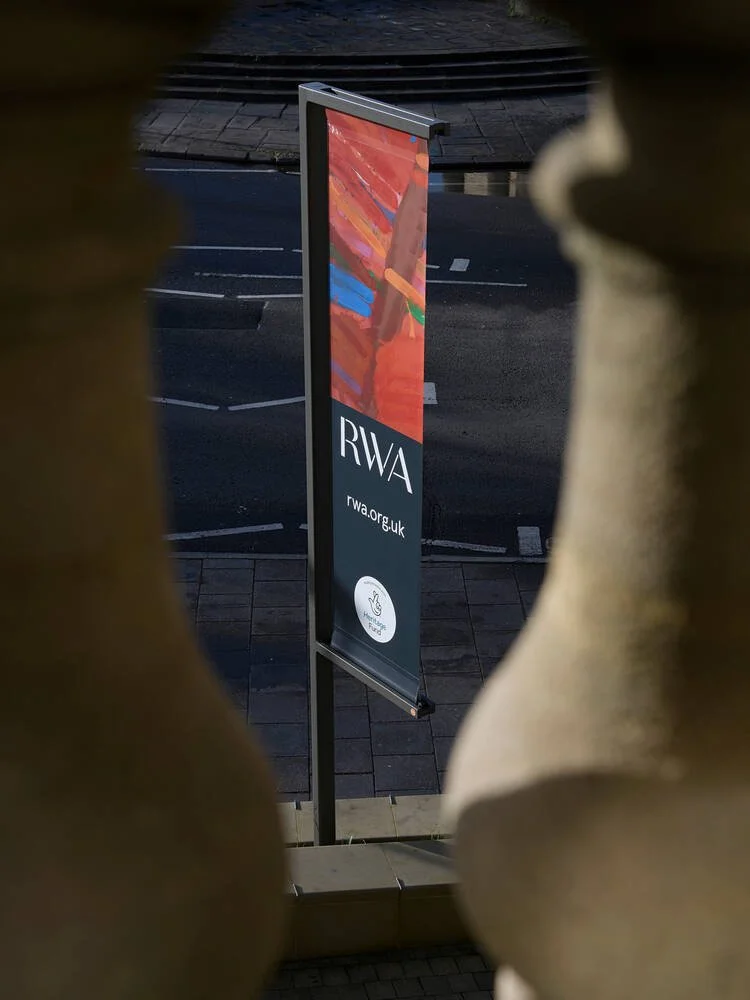
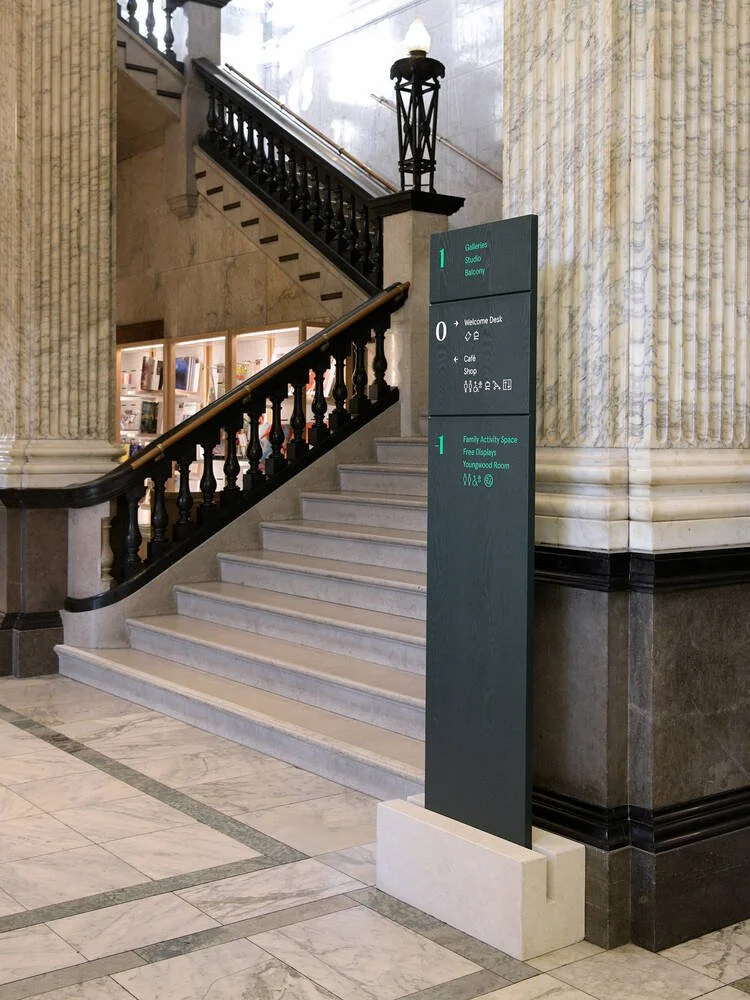
I introduced an online booking system using Shopify, enabling pre-booked tickets only. I calculated safe visitor capacity and average dwell time, which informed time-slot design and a capped limit of 40 visitors in the building at any one time. I also redesigned the physical journey, including a one-way route through the gallery and updated wayfinding and signage to support social distancing.
The service extended beyond the physical space. While working with the Marketing Manager, I designed new communication touchpoints, including booking confirmations, digital tickets, and pre-visit guidance to set expectations and reduce uncertainty. In parallel, I reconfigured the foyer layout to support safe entry and exit, and implemented processes for NHS Test and Trace data handling.
Operationally, I developed and delivered training for staff and volunteers on new protocols, including visitor flow management, hygiene procedures, and data handling. Our facilities manager and I also introduced a strict cleaning schedule and provided PPE and sanitisation stations throughout the space. I lead run throughs with the team in the venue prior to reopening, and a soft launch for smaller groups of visitors, Patrons and Friends of the RWA.
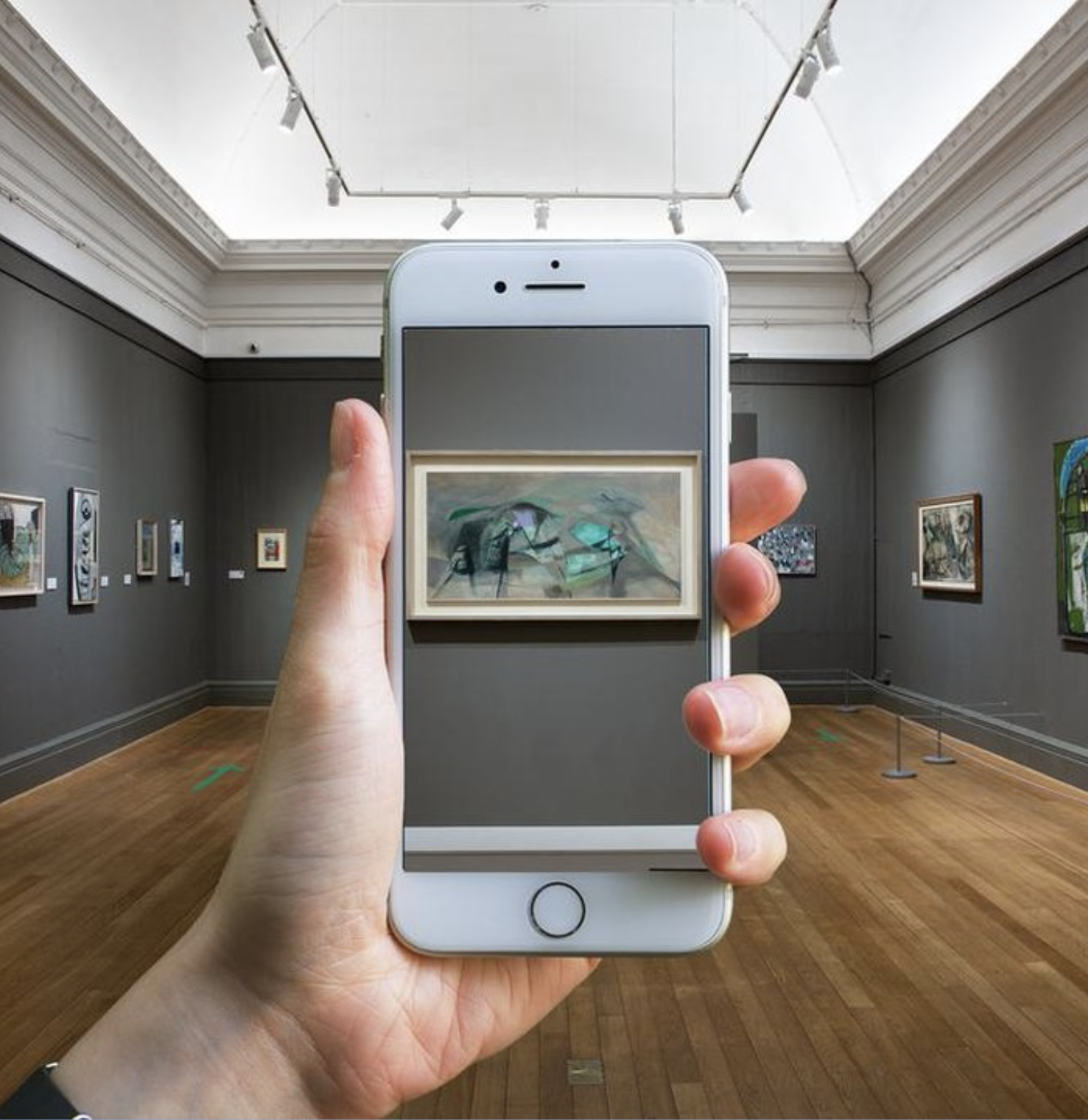
To maintain a high-quality visitor experience despite restrictions, in collaboration with our curator, I introduced the Smartify app with audio guides, replacing physical catalogues and in-person tours.
After launch, I set up feedback loops to capture visitor and staff input, allowing us to iterate on the service design in real time.
-
The outcome was a successful reopening. We achieved around 90% booking capacity, restored a vital income stream, and reconnected with audiences. Our visitors felt supported and extremely pleased with our approach, appreciating all of the thought and effort that went into welcoming them back in such a safe and reassuring way. Importantly, the service model proved resilient and adaptable as guidelines continued to evolve.
Images courtesy of Spy Studio
Current state
vs future state
Mapping out what the user journey used to look like before the pandemic and how it changed to incorporate all the necessary safety measures and create front-stage blueprints for the RWA reopening between lockdowns.

