Service Design / Case Study 02
In my roles as Visitor Experience Consultant for the RWA (Royal West of England Academy) and as Operations Manager at WTC (We The Curious science centre), I had an opportunity to put my creativity, operational experience and user-centred approach to work, leading two major service design projects.
Scroll down to explore the WTC case study.
We The Curious


At WTC, I led a complete redesign of the foyer, working with various internal and external stakeholders: the visitor facing teams, the exhibition and education teams, the marketing team, including graphic designers Alex Smye-Rumsby and Jenny Hiley, external partners including consultants from Active Thinking, architects from 3Sixty and designers from Shape Studio.
While leading this collaborative project, I delivered
- consultations and focus group workshops with internal teams to understand all the existing pain points form the team perspective
- review of visitors journey and flow from the moment they arrive on site
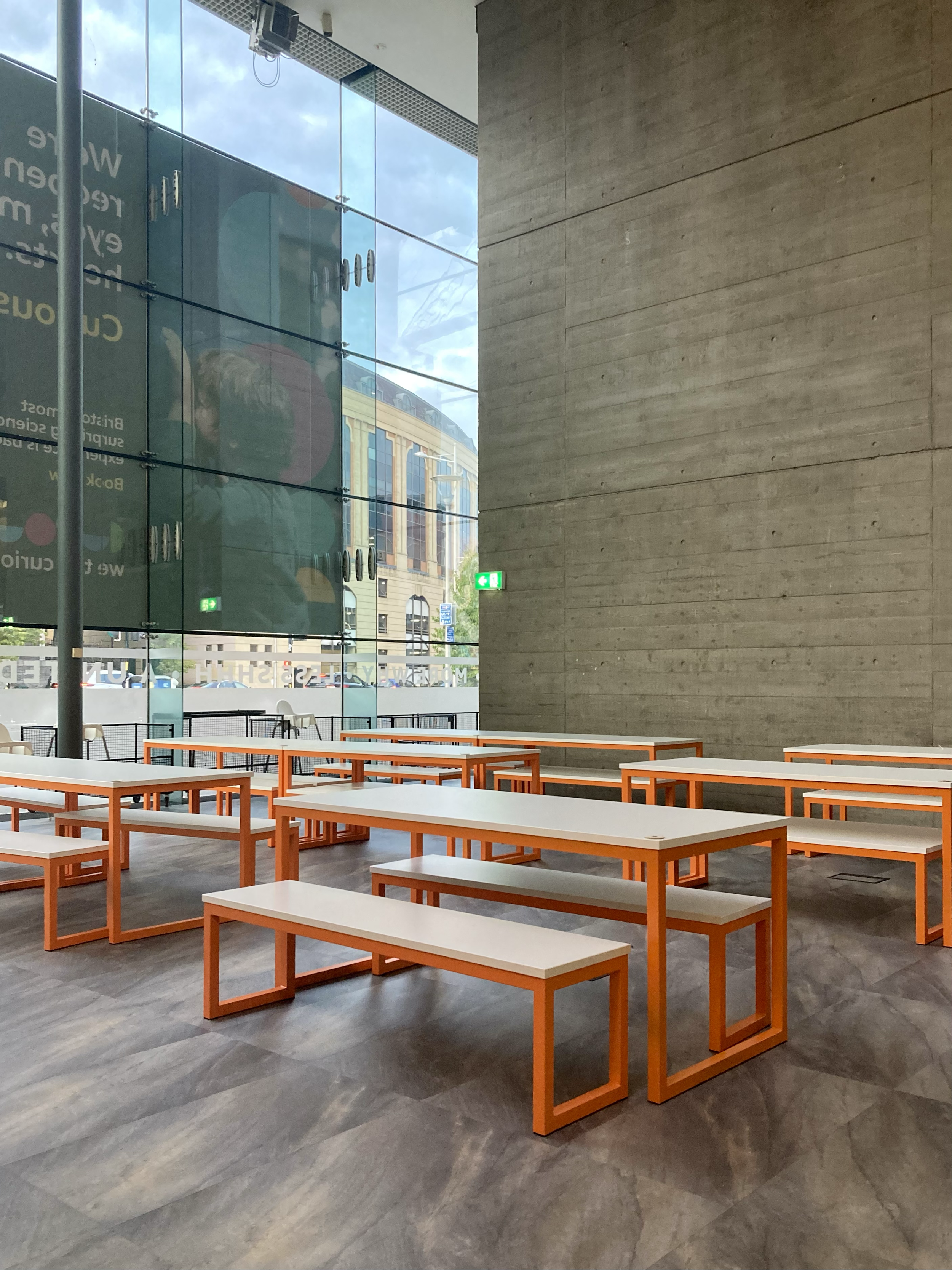
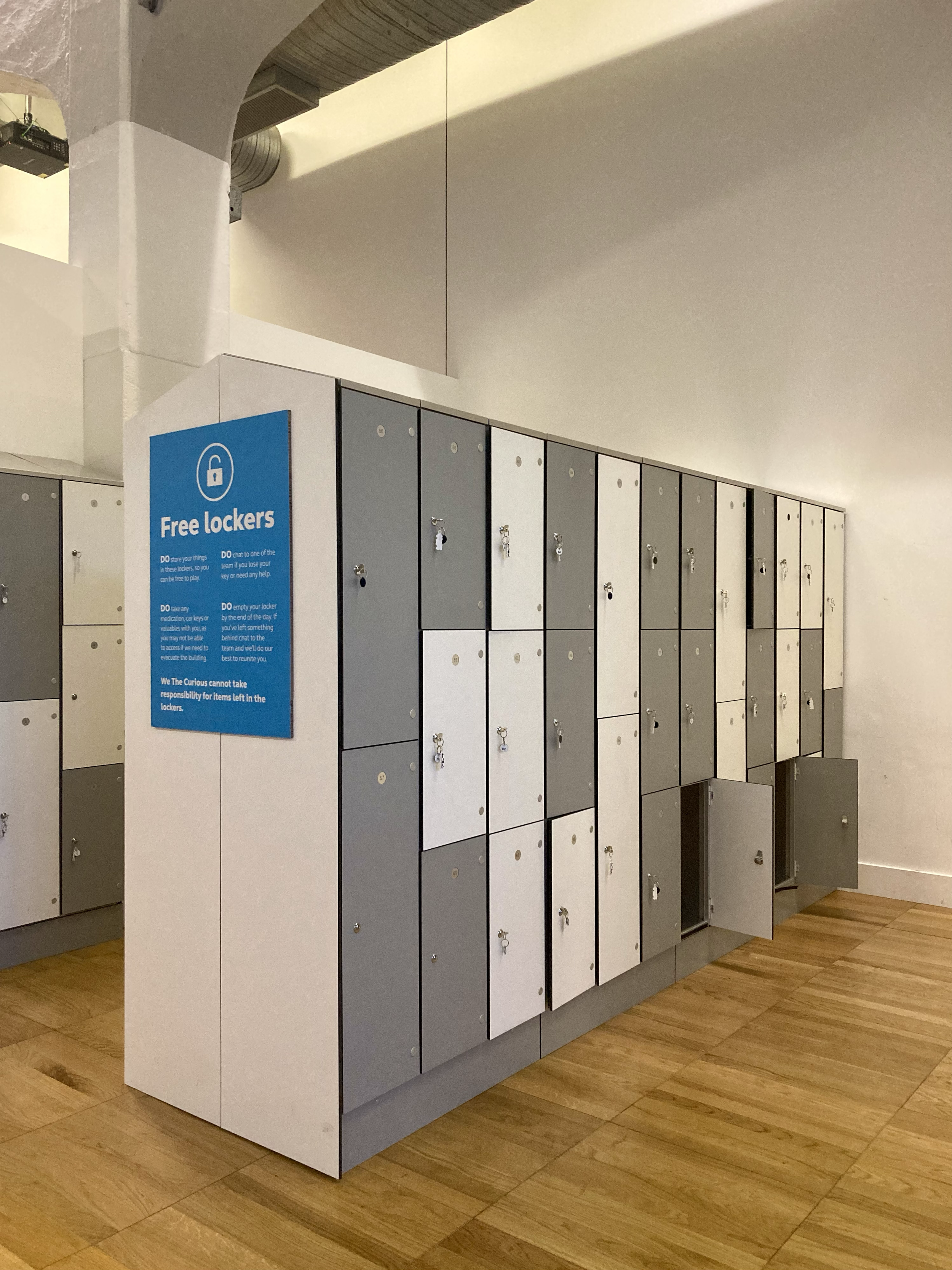
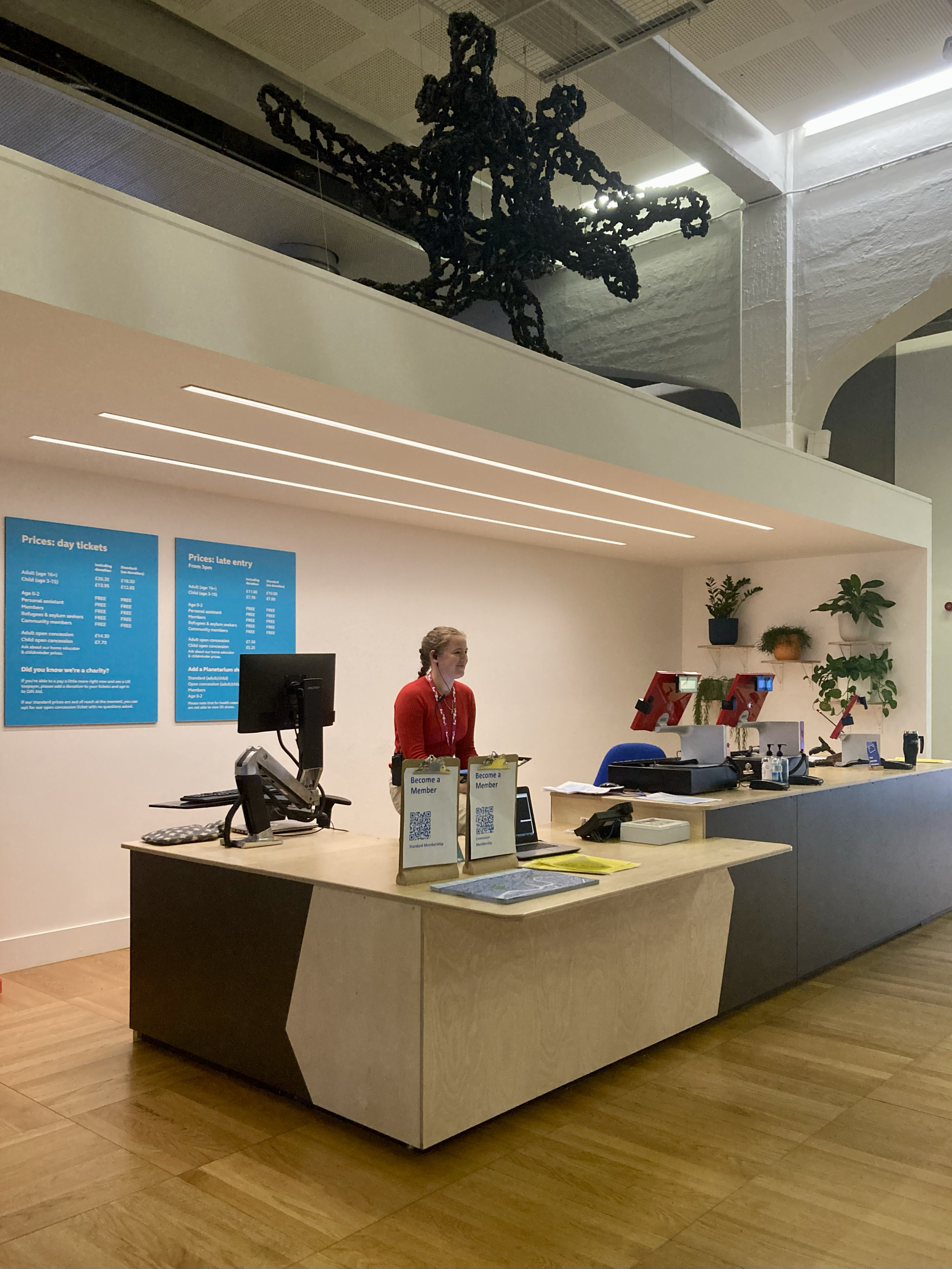
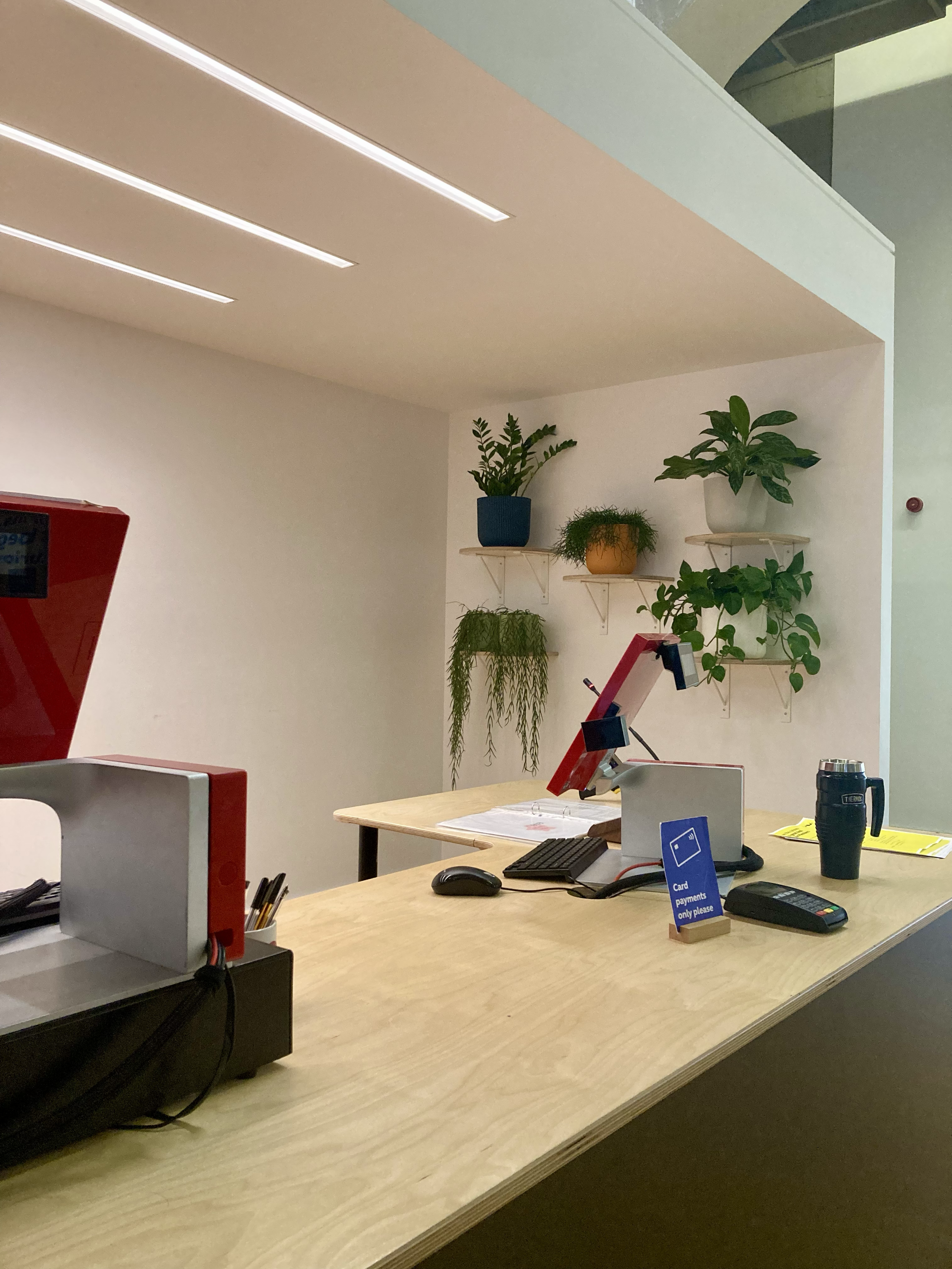
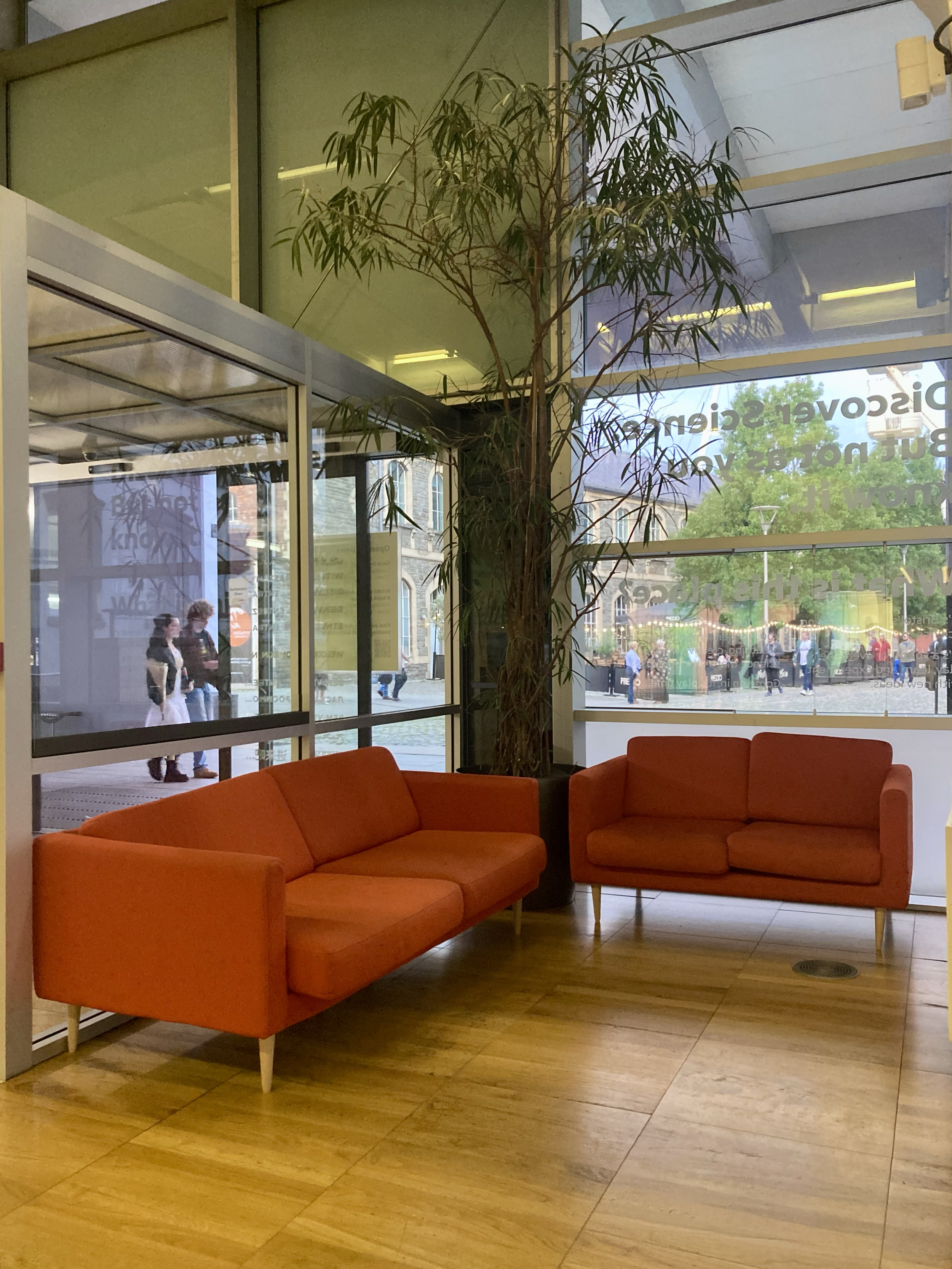
- redesign of the foyer space, including moving walls, building storage, adjusting lighting and acoustics, redesigning the welcome desk, updating and improving way finding and other signage, adding plants to elevate the look and feel of the space
- training for visitor facing teams using the space
- all of that with sustainability and accessibility in mind as our top priorities.
Read about the positive impact this project has had on WTC visitors.
-
While serving as the Operations Manager at We The Curious, I led a complete human-centred redesign of the foyer experience. The goal was to transform a multi-purpose space that had become confusing for visitors and an operational challenge for staff (covid legacy, outdated wayfinding, introduction of online bookings instead of buying tickets in the venue etc).
-
My objective was to review a spatial and service strategy that improved accessibility for our audiences, streamlined our internal processes, and enhanced financial resilience by increasing visitor capacity.
-
Internal Discovery: I facilitated focus group workshops and consultations with various internal teams—including visitor-facing, education, and marketing—to understand their specific pain points and operational requirements.
User Journey Mapping: I conducted a detailed review of visitor flows, mapping the journey from the moment of arrival to identify physical and navigational barriers.
Iterative Prototyping: I led the spatial reconfiguration of the foyer. This involved prototyping and testing new layouts for the welcome desk, updating wayfinding signage, and adjusting environmental factors like lighting and acoustics to create a more intuitive experience.
Inclusive Design: I championed the integration of accessibility upgrades, such as sensory spaces and a multi-faith room, ensuring the foyer was welcoming to all audiences.
Implementation & Training: I finalized the design with external architects and designers and then personally delivered training for the visitor-facing teams to ensure they were comfortable with the new service flow.
Methods & Why:
I used stakeholder workshops because I believe collaboration is key to aligning complex business needs with the user experience.
I applied visitor flow analysis to ensure every physical change was evidence-based and addressed real-world bottlenecks.
I prioritised inclusive design principles—such as adjusting acoustics and adding plants—to reduce cognitive load and make the space more accessible for neurodivergent visitors.
-
The redesign was highly successful. We anticipated an 82% increase in extra student visits (+35,000) over three years. The project significantly improved customer satisfaction, strengthened our community engagement, and enhanced the charity's income streams and resilience.
Images by Magdalena Byczek,
include graphic design work by Alex Smye-Rumsby